480-716-6100
info@maherwm.com
Client Login
Maher Wealth Management Home
  • Home
  • About Us 
    • Our Story
    • Our Team
    • About LPL
    • FAQ
  • Our Services 
    • Services Overview
    • Wealth Management
    • Multigenerational Planning
    • Take Advantage of Your 401K
  • Resources 
    • Overview
    • LPL Research
    • Weekly Market Commentary
    • Glossary
    • Latest News
  • Blog
  • Contact
Client Login
Investment

How Stocks Work

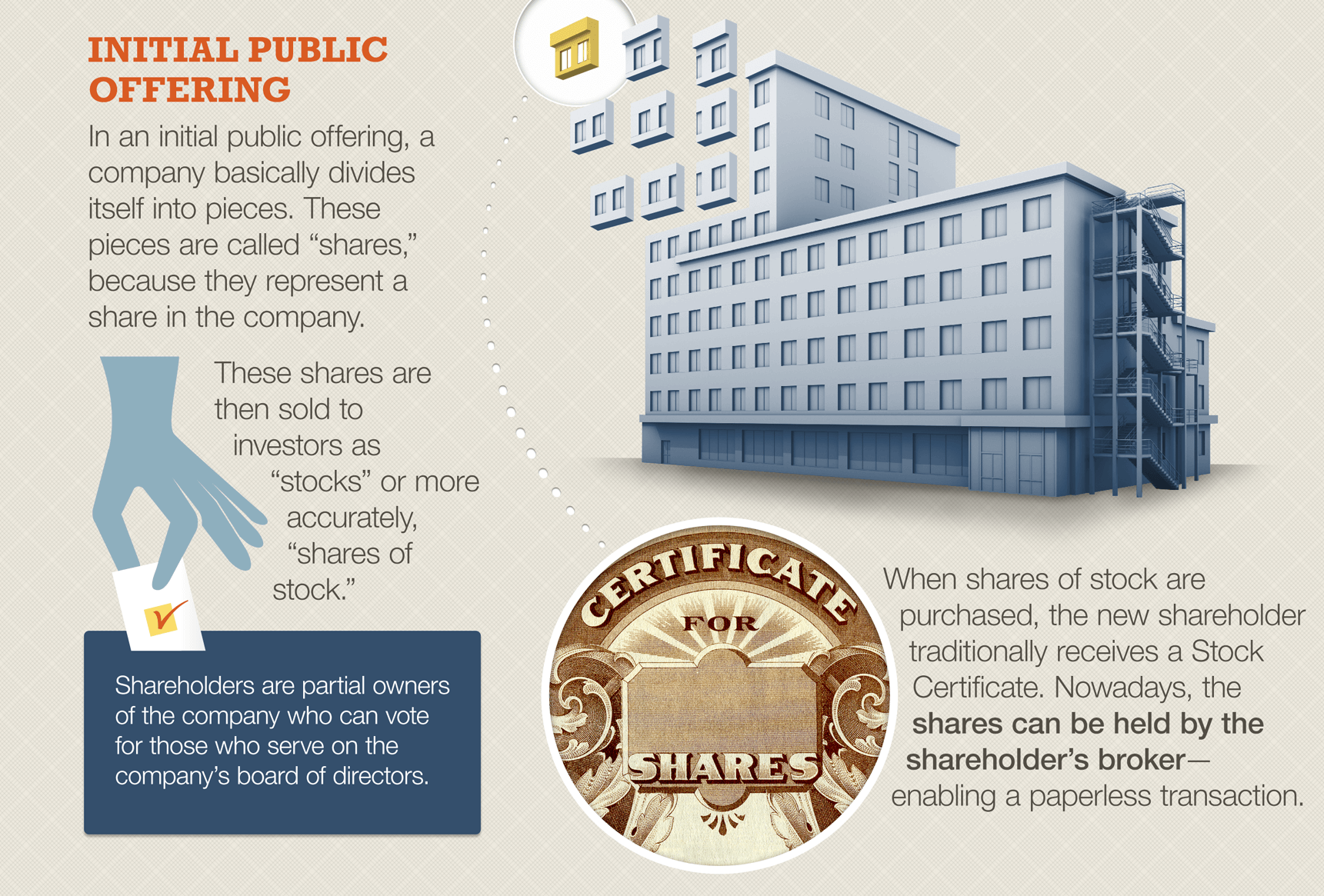
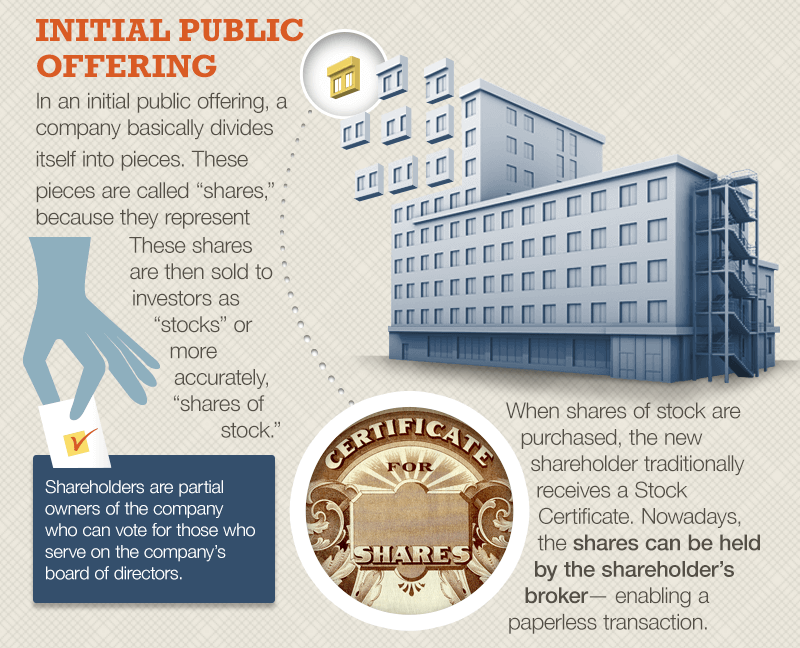
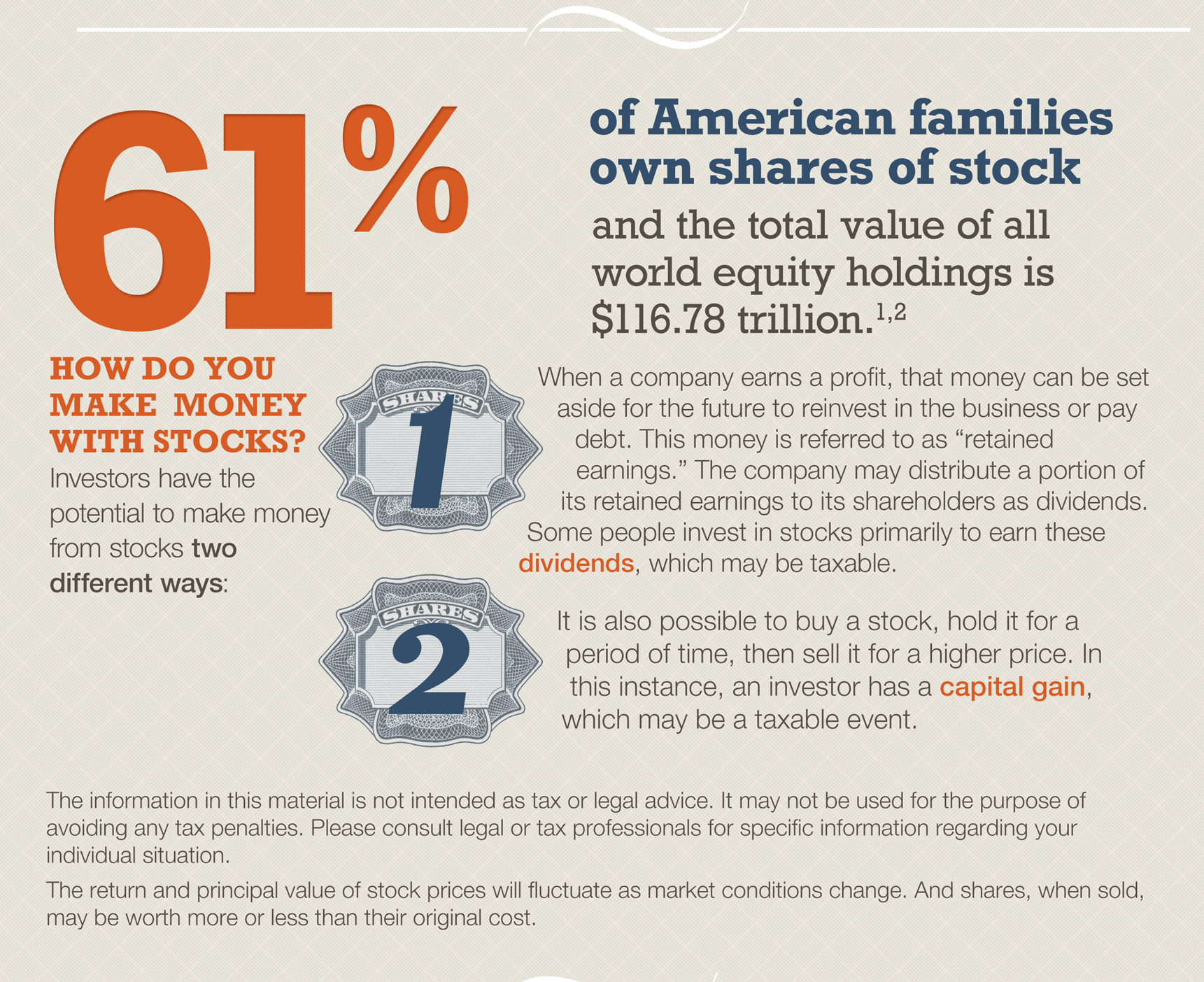
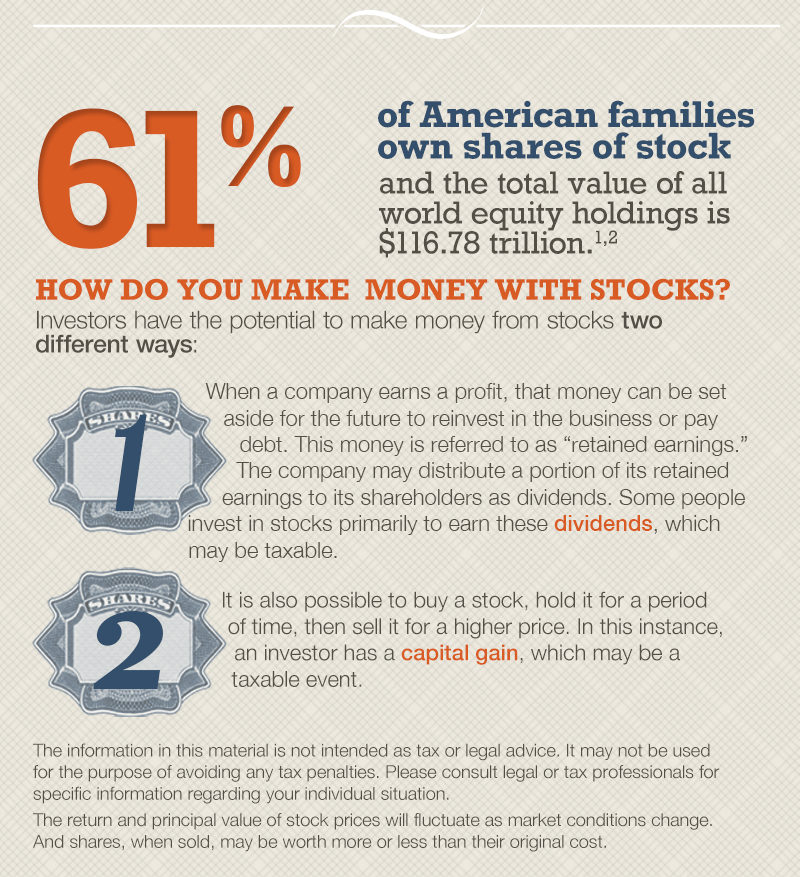
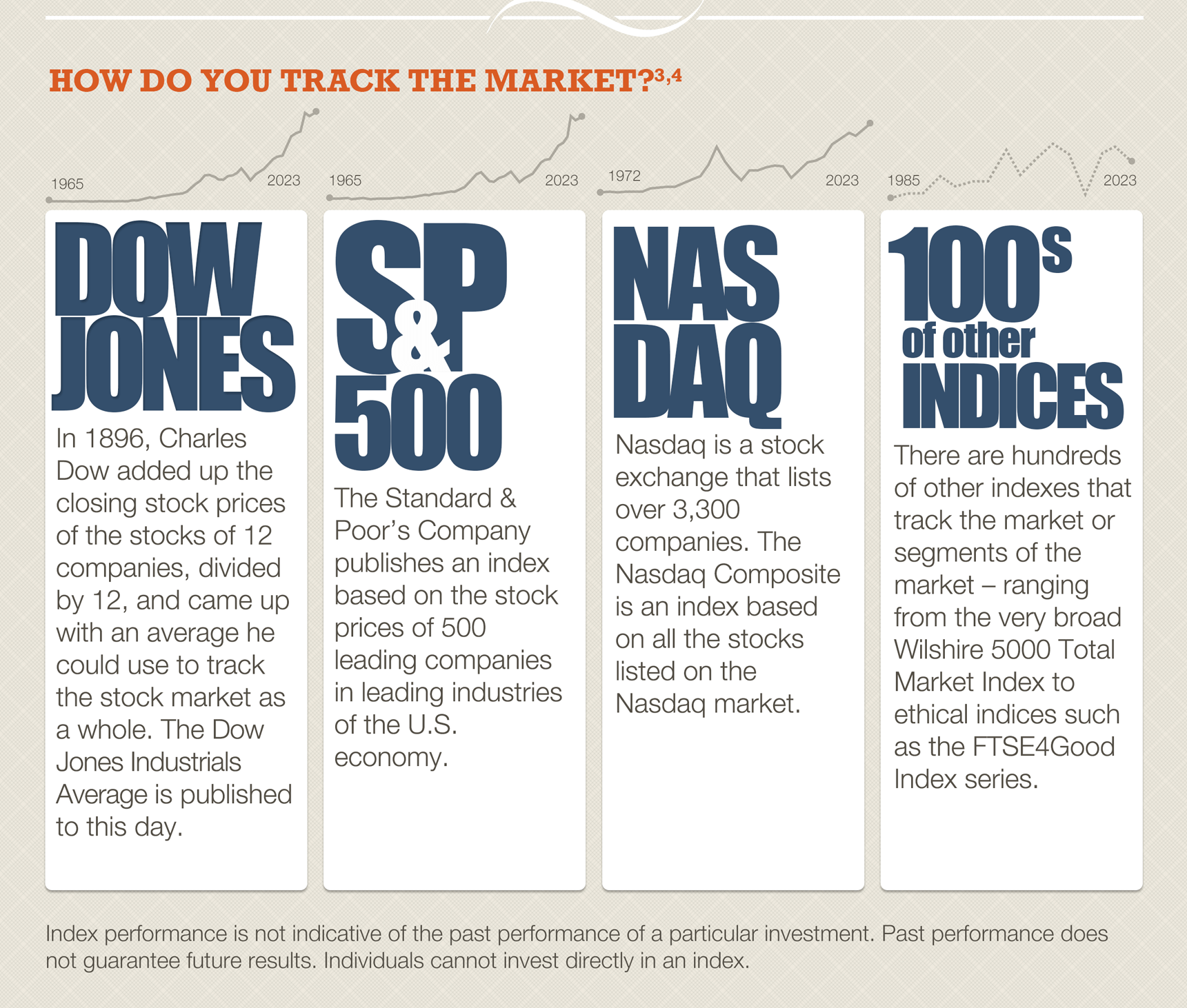
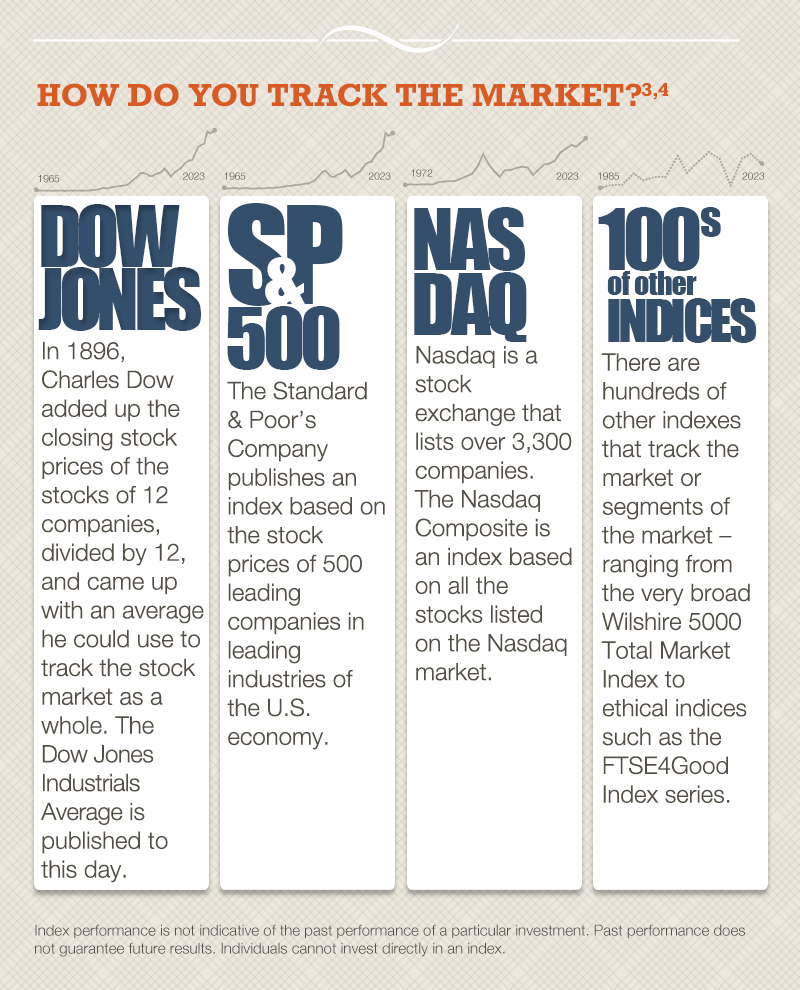
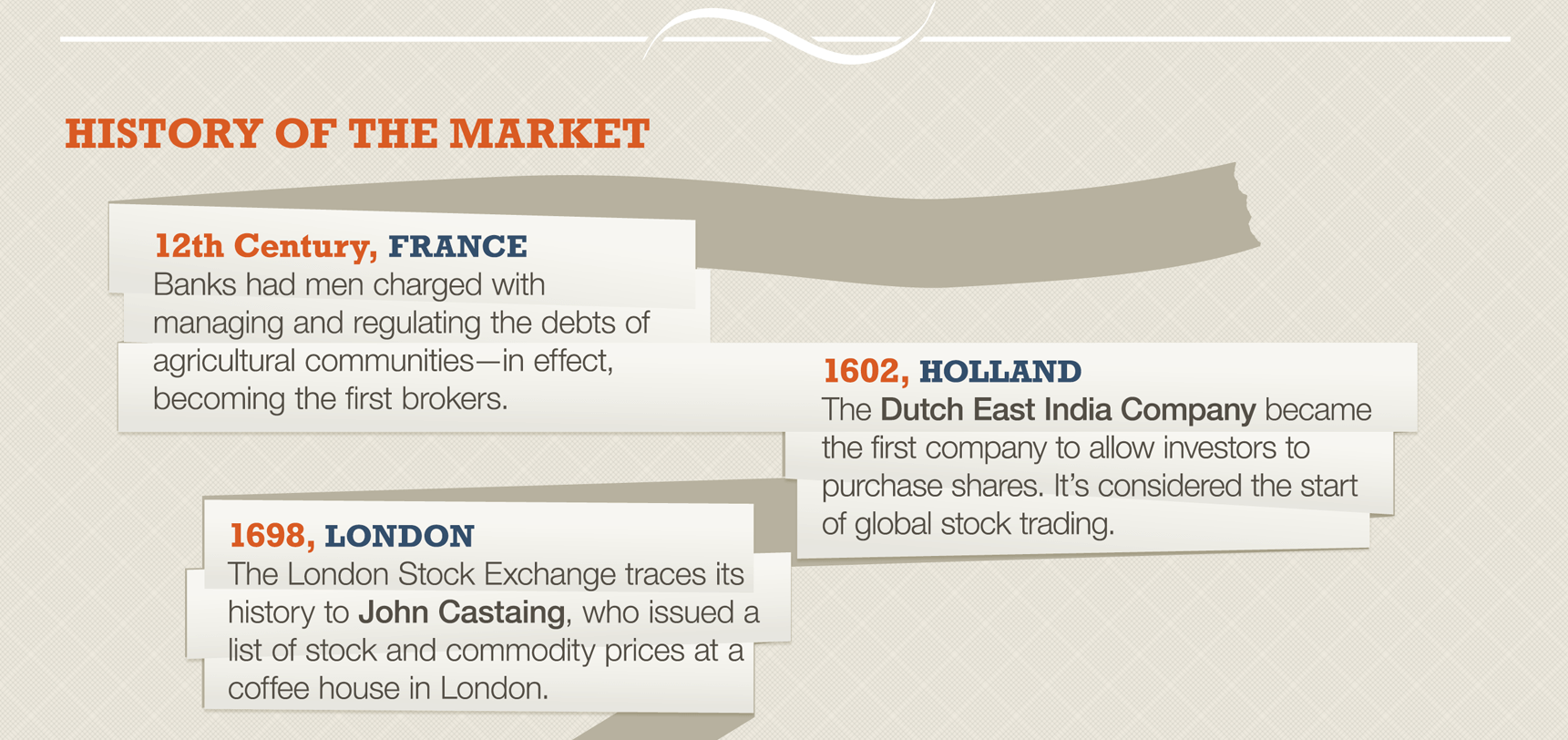
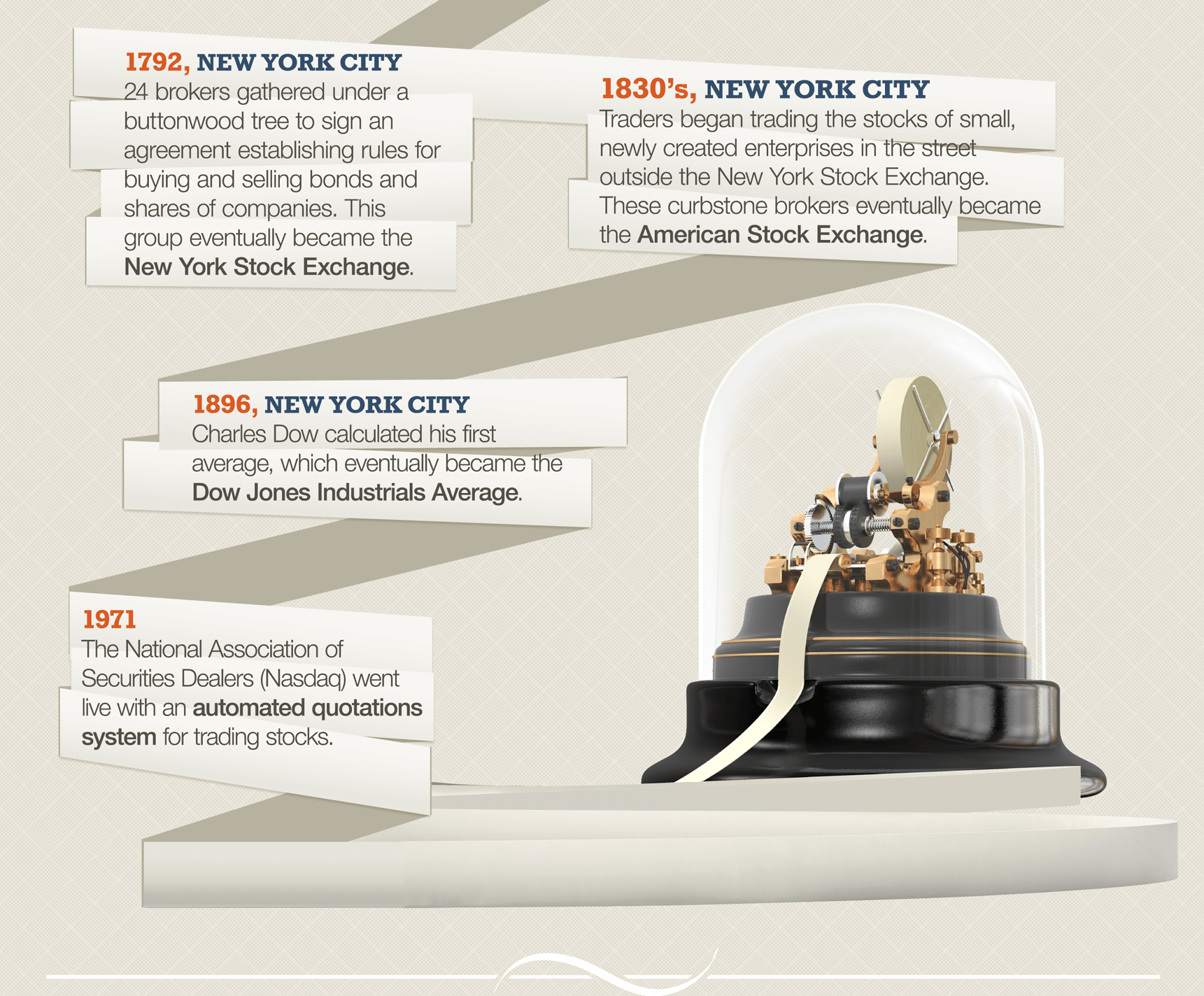
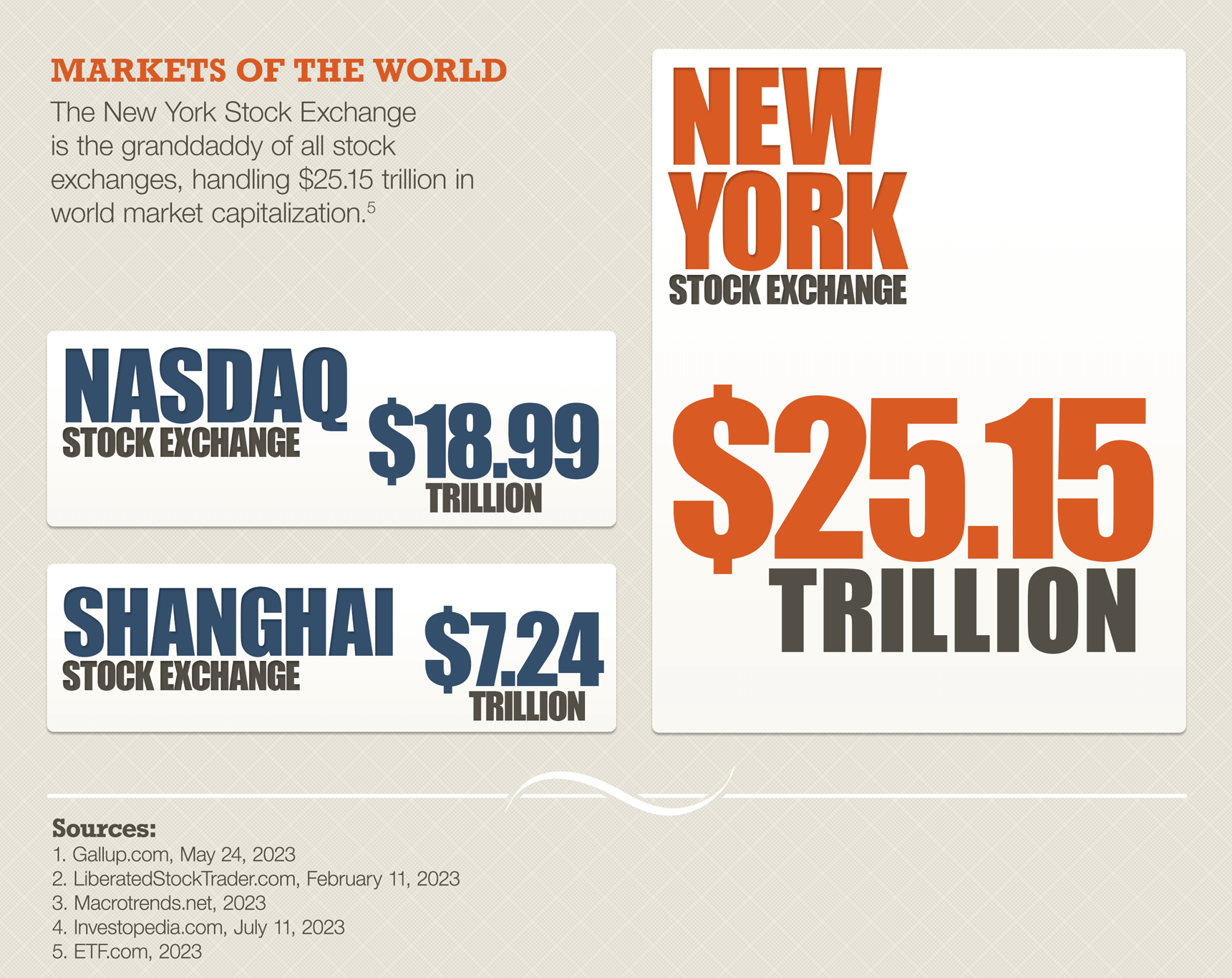
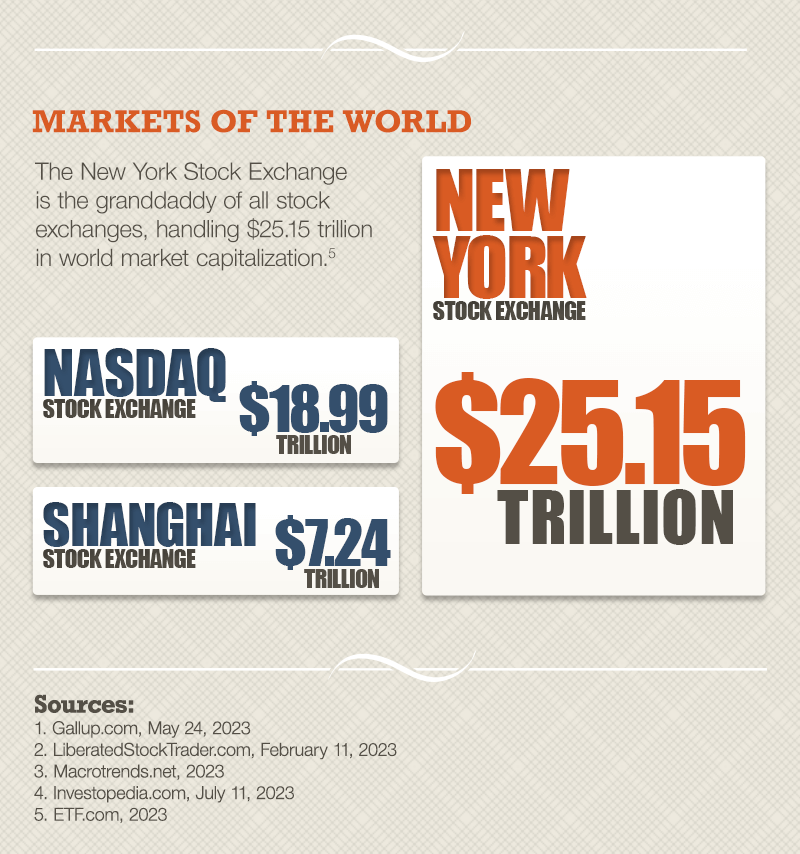
This is an educational infographic on how stocks work. It has seven sections on a blue background. The title reads: How Stocks Work.This is an educational infographic on how stocks work. It has seven sections on a blue background. The title reads: How Stocks Work.The first section, titled Initial Public Offering, explains that in an IPO a company divides itself into pieces called shares, which represent ownership in the company. These shares are then sold to investors as stocks. Shareholders are partial owners who can vote for the board of directors. Traditionally, shareholders received paper stock certificates, but today shares can be held electronically by brokers. The first section, titled Initial Public Offering, explains that in an IPO a company divides itself into pieces called shares, which represent ownership in the company. These shares are then sold to investors as stocks. Shareholders are partial owners who can vote for the board of directors. Traditionally, shareholders received paper stock certificates, but today shares can be held electronically by brokers.The second section, titled How Do You Make Money with Stocks, outlines two ways investors can potentially earn money. The first is dividends, when a company distributes a portion of retained earnings to shareholders. The second is capital gains, when a stock is bought, held, and later sold for a higher price. The section notes that dividends and capital gains may be taxable events. It notes that 61% of American families own shares of stock and that the total value of world equity holdings is $116.78 trillion.The second section, titled How Do You Make Money with Stocks, outlines two ways investors can potentially earn money. The first is dividends, when a company distributes a portion of retained earnings to shareholders. The second is capital gains, when a stock is bought, held, and later sold for a higher price. The section notes that dividends and capital gains may be taxable events. It notes that 61% of American families own shares of stock and that the total value of world equity holdings is $116.78 trillion.The third section, titled How Do You Track the Market, describes stock market indices. It explains that the Dow Jones Industrial Average began in 1896, when Charles Dow averaged the stock prices of 12 companies. The S&P 500 tracks 500 leading U.S. companies. Nasdaq is a stock exchange listing more than 3,300 companies, with the Nasdaq Composite index covering all of them. It also mentions hundreds of other indexes, such as the Wilshire 5000 and FTSE4Good, which track broad markets or specific sectors.The third section, titled How Do You Track the Market, describes stock market indices. It explains that the Dow Jones Industrial Average began in 1896, when Charles Dow averaged the stock prices of 12 companies. The S&P 500 tracks 500 leading U.S. companies. Nasdaq is a stock exchange listing more than 3,300 companies, with the Nasdaq Composite index covering all of them. It also mentions hundreds of other indexes, such as the Wilshire 5000 and FTSE4Good, which track broad markets or specific sectors.The fourth section, titled History of the Market, lists key milestones. In the 12th century in France, banks began regulating agricultural debts. In 1602 in Holland, the Dutch East India Company became the first to sell shares, marking the start of global stock trading. In 1698 in London, John Castaing listed stock prices, beginning the London Stock Exchange. In 1792 in New York, 24 brokers signed the Buttonwood Agreement, which grew into the New York Stock Exchange. In the 1830s, curbside trading in New York led to the American Stock Exchange. In 1896, Charles Dow published his first average. In 1971, Nasdaq launched as the first automated stock quotation system.The fourth section, titled History of the Market, lists key milestones. In the 12th century in France, banks began regulating agricultural debts. In 1602 in Holland, the Dutch East India Company became the first to sell shares, marking the start of global stock trading. In 1698 in London, John Castaing listed stock prices, beginning the London Stock Exchange. In 1792 in New York, 24 brokers signed the Buttonwood Agreement, which grew into the New York Stock Exchange. In the 1830s, curbside trading in New York led to the American Stock Exchange. In 1896, Charles Dow published his first average. In 1971, Nasdaq launched as the first automated stock quotation system.The sixth section, titled History of the Market, continues the timeline with four milestones. 1792, New York City. Twenty‑four brokers gathered under a buttonwood tree to sign an agreement establishing rules for buying and selling bonds and shares of companies. This group eventually became the New York Stock Exchange. In the 1830s, New York City traders began buying and selling the stocks of small, newly created enterprises in the street outside the New York Stock Exchange. These curbstone brokers eventually became the American Stock Exchange. 1896, New York City. Charles Dow calculated his first average, which eventually became the Dow Jones Industrial Average. 1971. The National Association of Securities Dealers—Nasdaq—went live with an automated quotation system for trading stocks. The illustration shows an antique stock‑ticker device under a glass dome.The sixth section, titled History of the Market, continues the timeline with four milestones. 1792, New York City. Twenty‑four brokers gathered under a buttonwood tree to sign an agreement establishing rules for buying and selling bonds and shares of companies. This group eventually became the New York Stock Exchange. In the 1830s, New York City traders began buying and selling the stocks of small, newly created enterprises in the street outside the New York Stock Exchange. These curbstone brokers eventually became the American Stock Exchange. 1896, New York City. Charles Dow calculated his first average, which eventually became the Dow Jones Industrial Average. 1971. The National Association of Securities Dealers—Nasdaq—went live with an automated quotation system for trading stocks. The illustration shows an antique stock‑ticker device under a glass dome.The fifth section, titled Markets of the World, highlights global stock exchanges by market capitalization. The New York Stock Exchange is the largest at $25.15 trillion. The Nasdaq Stock Exchange is listed at $18.99 trillion. The Shanghai Stock Exchange is $7.24 trillion.The fifth section, titled Markets of the World, highlights global stock exchanges by market capitalization. The New York Stock Exchange is the largest at $25.15 trillion. The Nasdaq Stock Exchange is listed at $18.99 trillion. The Shanghai Stock Exchange is $7.24 trillion.

Have A Question About This Topic?

Thank you! Oops!

Related Content

IRA Withdrawals that Escape the 10% Tax Penalty

IRA Withdrawals that Escape the 10% Tax Penalty

The list of IRA withdrawals that may be taken without incurring a 10% early penalty has grown.

The Pre-Retirement Checklist

The Pre-Retirement Checklist

This checklist can give you a quick snapshot of how prepared you are.

The Latte Lie and Other Myths

The Latte Lie and Other Myths

Check out this video to begin separating fact from fiction.

Contact

Office: 480-716-6100

Toll-Free: 855-716-6100

Fax: 480-716-6100

2111 East Highland Avenue

B420

Phoenix, AZ 85016

info@maherwm.com

Quick Links

  • Retirement
  • Investment
  • Estate
  • Insurance
  • Tax
  • Money
  • Lifestyle
  • Latest Articles
  • All Videos
  • All Calculators

LPL Financial Form CRS

Check the background of your financial professional on FINRA's BrokerCheck.

The content is developed from sources believed to be providing accurate information. The information in this material is not intended as tax or legal advice. Please consult legal or tax professionals for specific information regarding your individual situation. Some of this material was developed and produced by FMG Suite to provide information on a topic that may be of interest. FMG Suite is not affiliated with the named representative, broker - dealer, state - or SEC - registered investment advisory firm. The opinions expressed and material provided are for general information, and should not be considered a solicitation for the purchase or sale of any security.

We take protecting your data and privacy very seriously. As of January 1, 2020 the California Consumer Privacy Act (CCPA) suggests the following link as an extra measure to safeguard your data: Do not sell my personal information.

Copyright 2026 FMG Suite.

Securities and advisory services offered through LPL Financial, a registered investment advisor. Member FINRA/SIPC.

The LPL Financial registered representatives associated with this website may discuss and/or transact business only with residents of the states in which they are properly registered or licensed. No offers may be made or accepted from any resident of any other state.


© Maher Wealth Management. All Rights Reserved.

Interested in working with us?

Let’s Discuss

Call Us Today

855.716.6100

Email Us

info@maherwm.com

Socialize With Us

LinkedIn| Twitter| Facebook

Maher Wealth Management

We are committed to providing the ultimate client experience by attentively listening and comprehending what is most important to you. This comprehension allows us to align your account values with your core values and develop strategies to help you pass them on to future generations and live the life you desire.

FacebookTwitterLinkedIn

Quick Links

  • Home
  • About
  • Services
  • Resources
  • Blog
  • Site Map
  • Contact Us

Contact Us

Location 2111 E Highland Ave
Suite B420
Phoenix, AZ 85016

Phone Numbers480-716-6100  MAIN/FAX
855-716-6100  TOLL FREE

Emailinfo@maherwm.com

Research

BrokerCheck is a free tool to research the background and experience of financial brokers, advisers and firms.