480-716-6100
info@maherwm.com
Client Login
Maher Wealth Management Home
  • Home
  • About Us 
    • Our Story
    • Our Team
    • About LPL
    • FAQ
  • Our Services 
    • Services Overview
    • Wealth Management
    • Multigenerational Planning
    • Take Advantage of Your 401K
  • Resources 
    • Overview
    • LPL Research
    • Weekly Market Commentary
    • Glossary
    • Latest News
  • Blog
  • Contact
Client Login
Money

The History of Currency


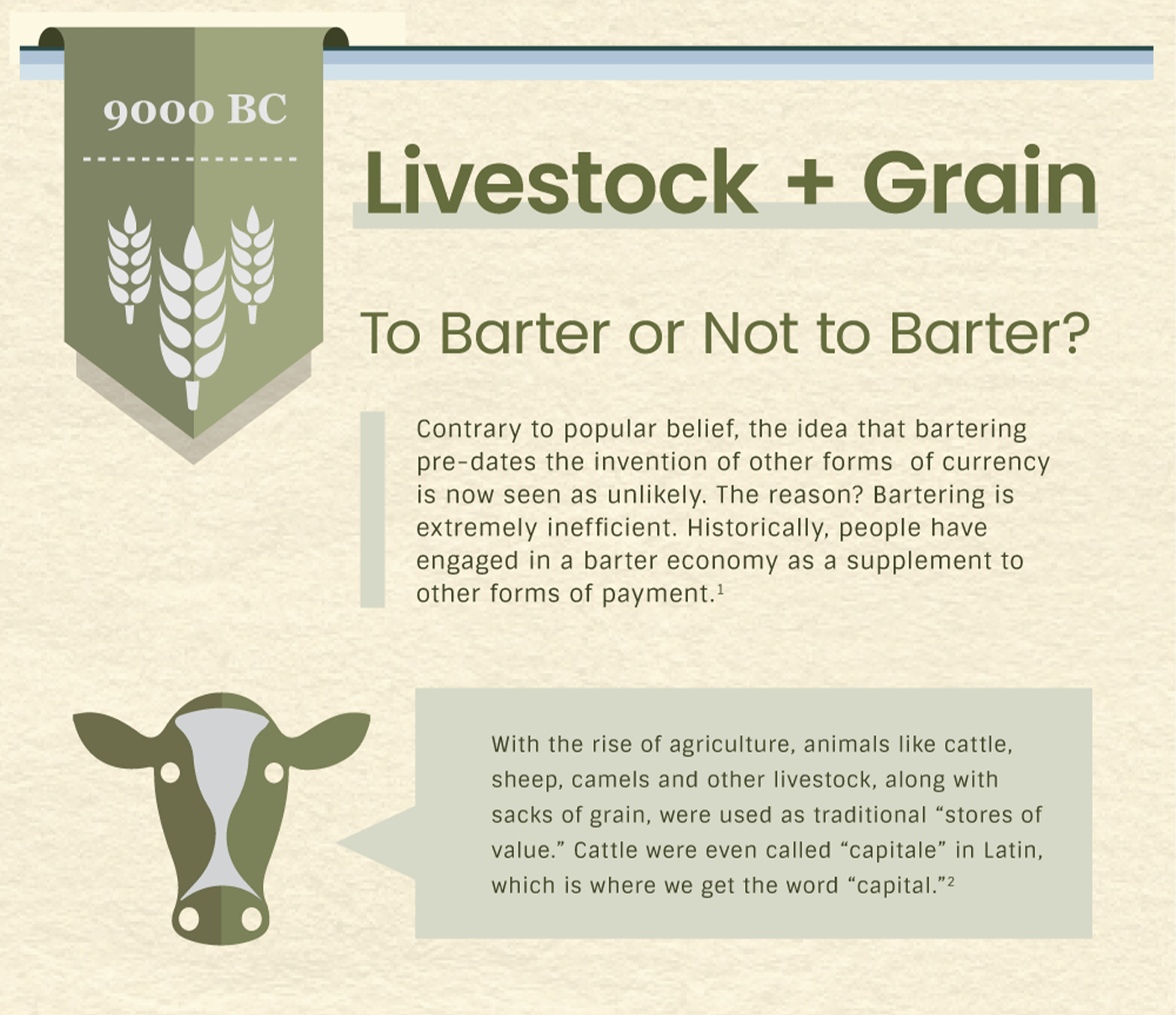
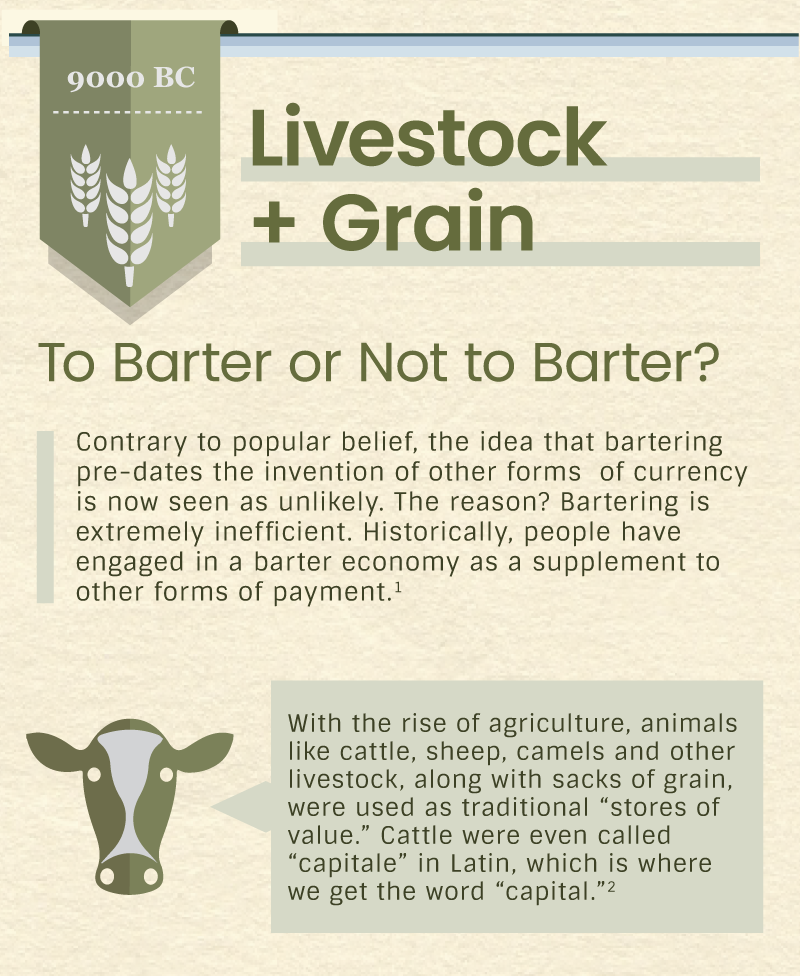
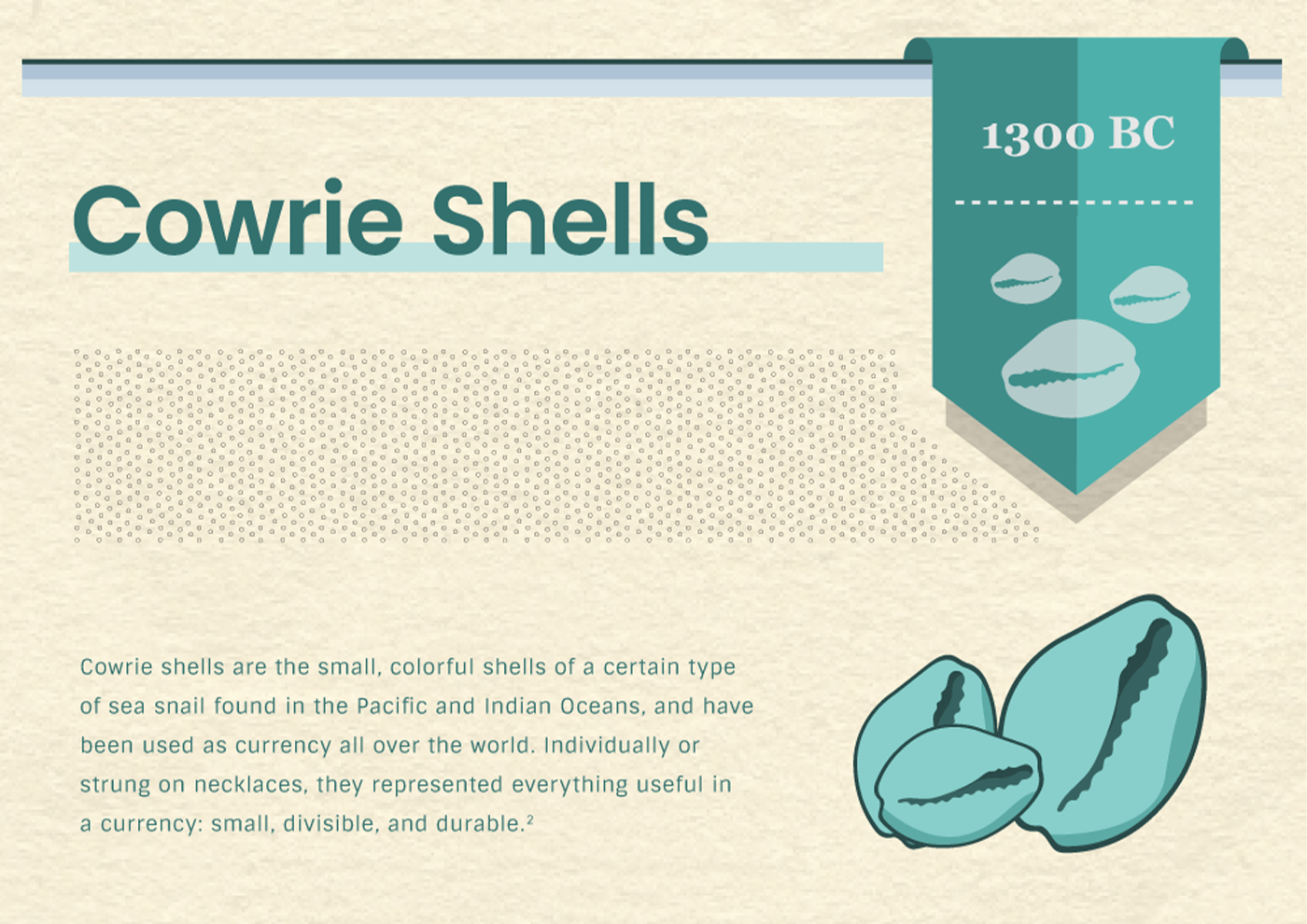
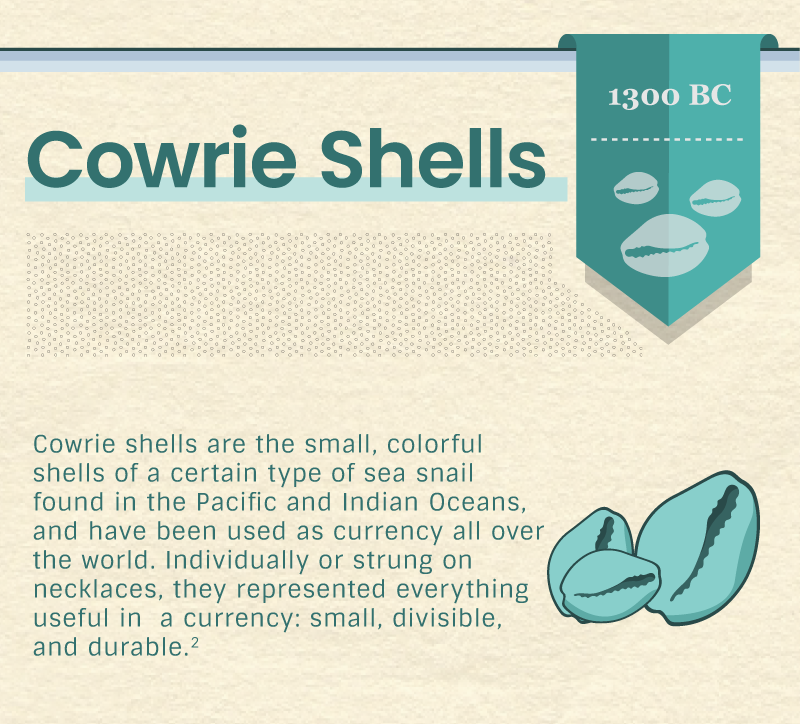
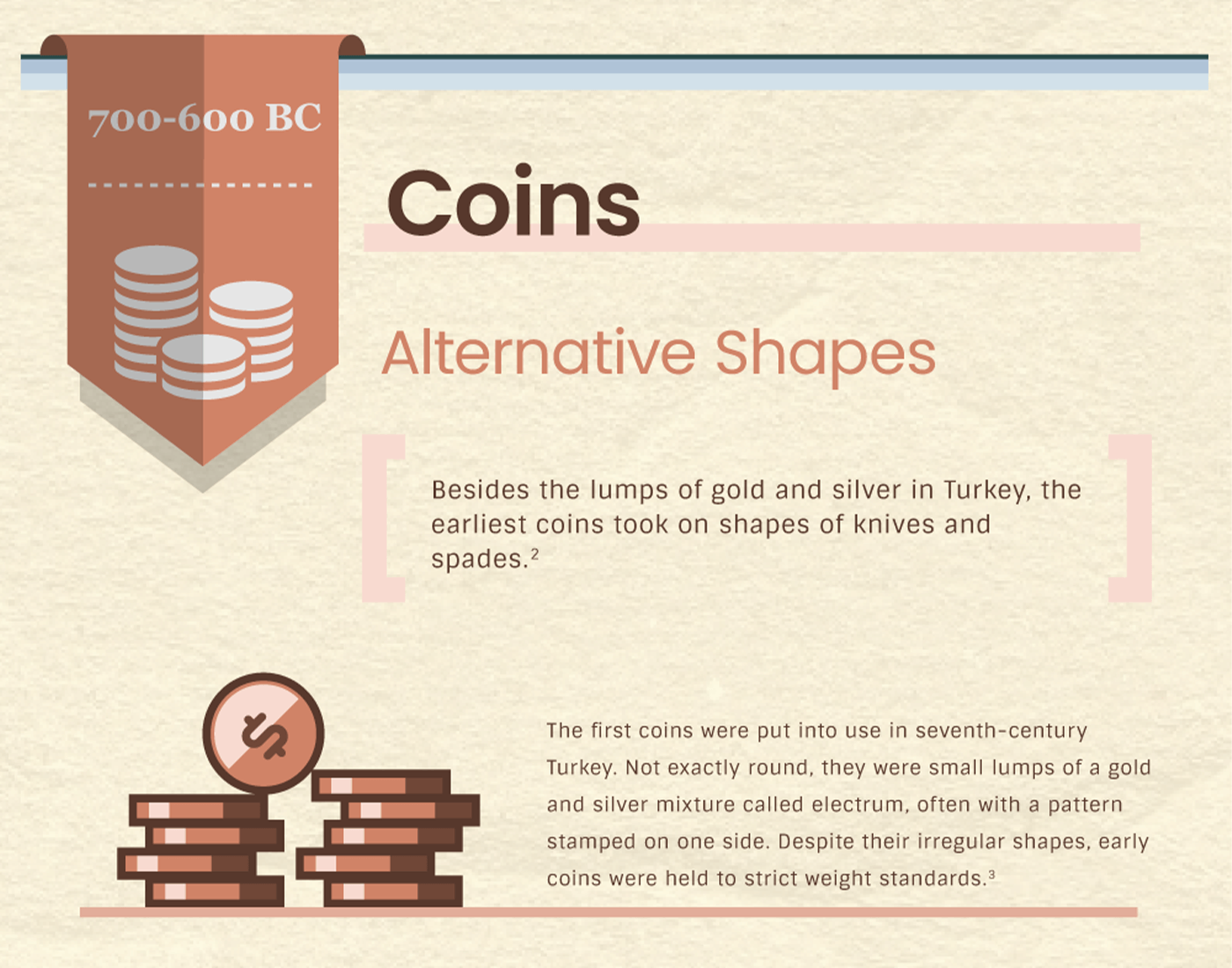
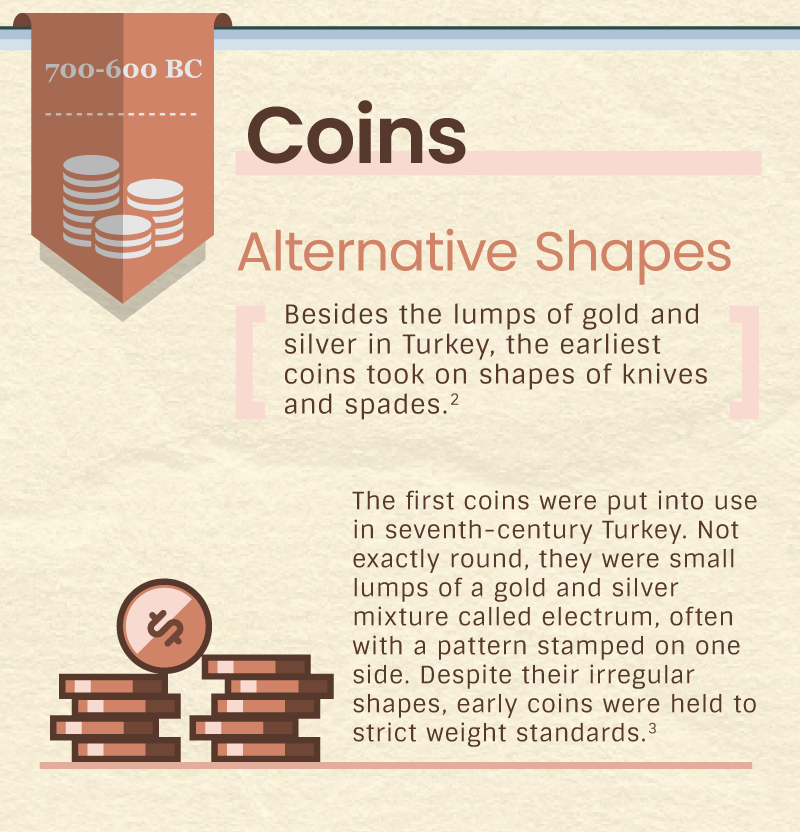
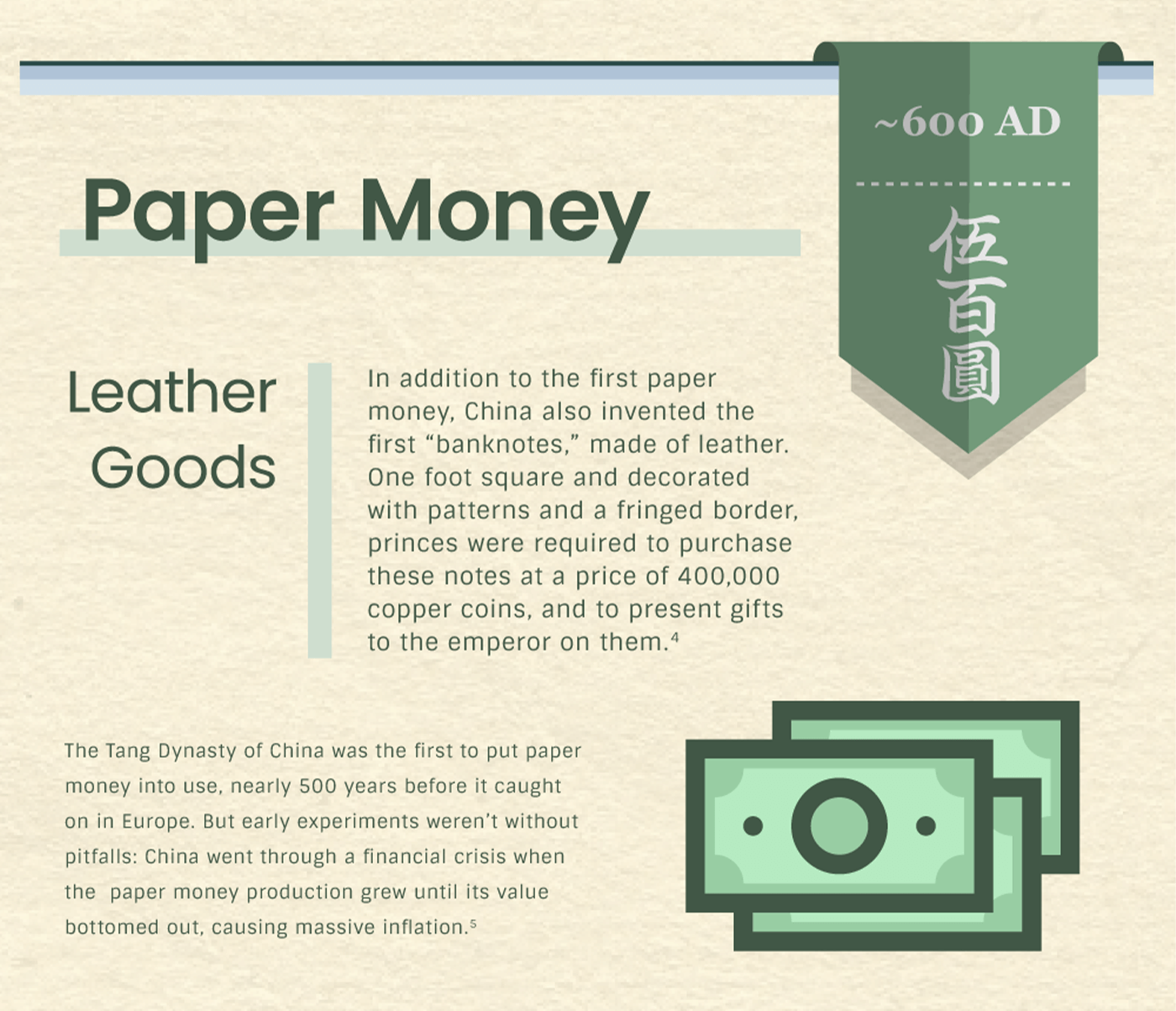
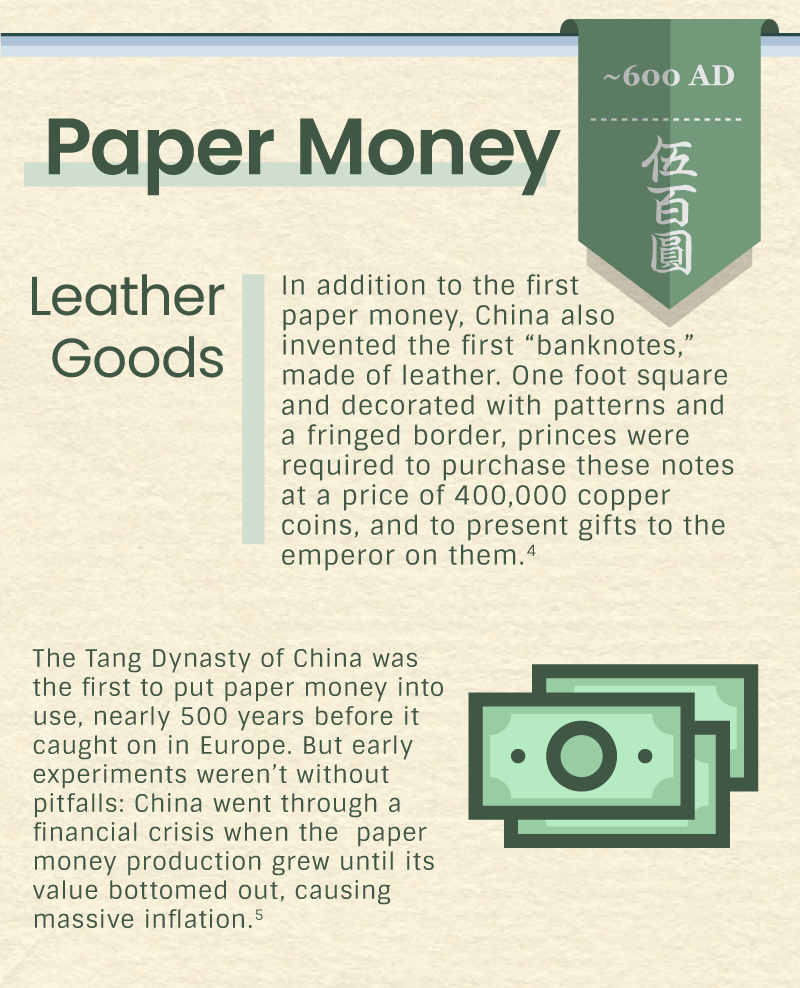
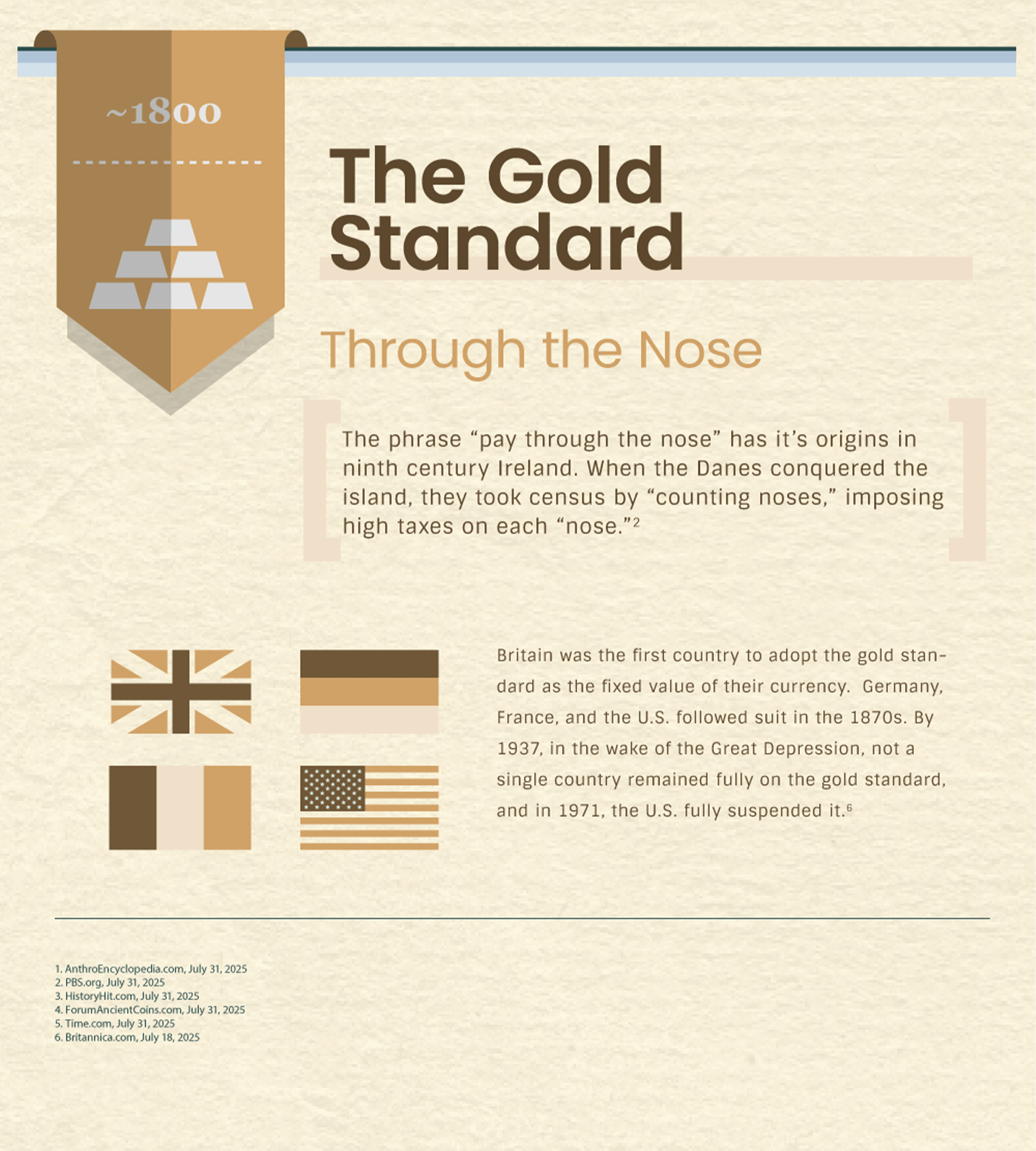
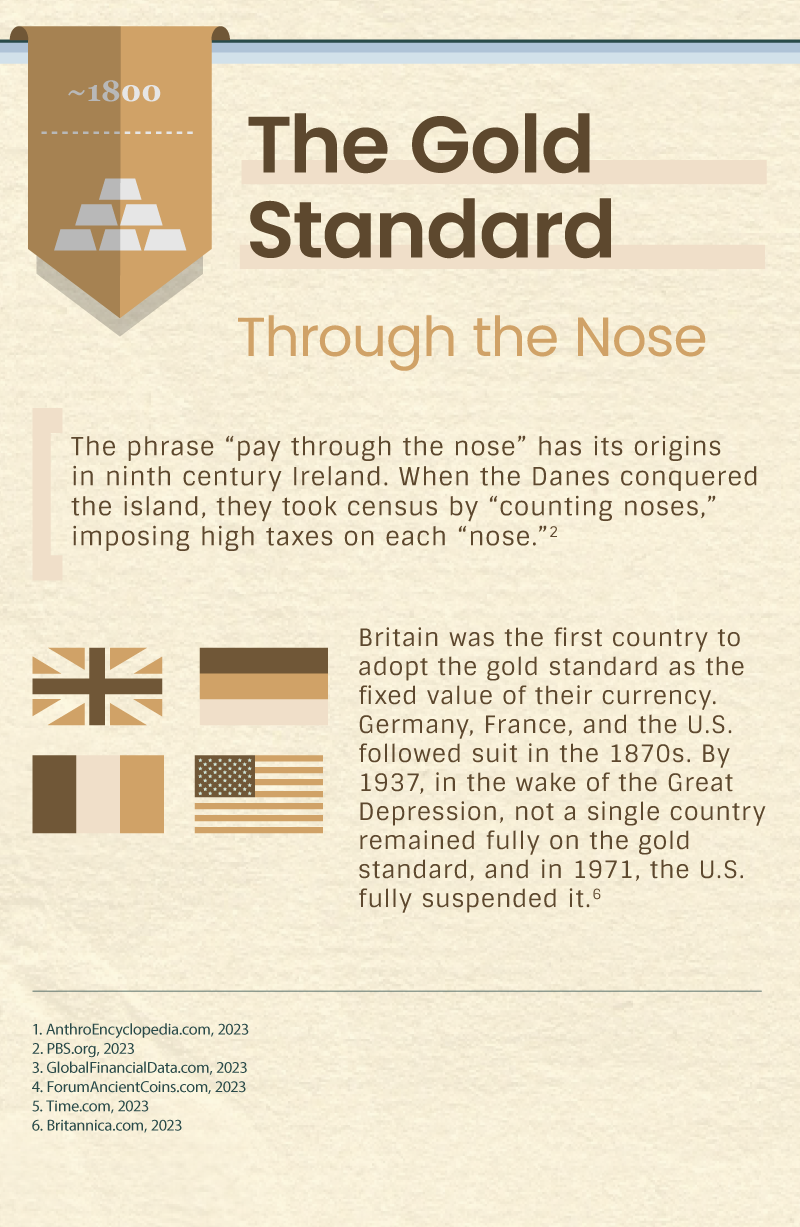
This is a History of Currency educational infographic with six sections on a beige background. The title reads: The History of Currency. A brief lesson on where currency has been and where it is going.This is a History of Currency educational infographic with six sections on a beige background. The title reads: The History of Currency. A brief lesson on where currency has been and where it is going.The first section, titled Livestock and Grain, covers the earliest use of currency around 9000 BC. It explains that, contrary to popular belief, bartering pre-dates other forms of currency, and is now seen as unlikely because it is extremely inefficient. Historically, bartering supplemented other forms of payment. With the rise of agriculture, animals such as cattle, sheep, camels, and sacks of grain were used as traditional stores of value. The text notes that cattle were called capitale in Latin, which is where the word capital comes from.The first section, titled Livestock and Grain, covers the earliest use of currency around 9000 BC. It explains that, contrary to popular belief, bartering pre-dates other forms of currency, and is now seen as unlikely because it is extremely inefficient. Historically, bartering supplemented other forms of payment. With the rise of agriculture, animals such as cattle, sheep, camels, and sacks of grain were used as traditional stores of value. The text notes that cattle were called capitale in Latin, which is where the word capital comes from.The second section, titled Cowrie Shells, highlights their first use as currency around 1300 BC. It states that cowrie shells are the small, colorful shells of a certain type of sea snail found in the Pacific and Indian Oceans. They were used as currency all over the world. Individually or strung on necklaces, they represented everything useful in a currency: small, divisible, and durable.The second section, titled Cowrie Shells, highlights their first use as currency around 1300 BC. It states that cowrie shells are the small, colorful shells of a certain type of sea snail found in the Pacific and Indian Oceans. They were used as currency all over the world. Individually or strung on necklaces, they represented everything useful in a currency: small, divisible, and durable.The third section, titled Coins, covers their first appearance between 700 and 600 BC. It notes that besides lumps of gold and silver in Turkey, the earliest coins took on shapes like knives and spades. The first coins were put into use in seventh-century Turkey. Not exactly round, they were small lumps of a gold and silver mixture called electrum, often with a pattern stamped on one side. Despite their irregular shapes, early coins were held to strict weight standards.The third section, titled Coins, covers their first appearance between 700 and 600 BC. It notes that besides lumps of gold and silver in Turkey, the earliest coins took on shapes like knives and spades. The first coins were put into use in seventh-century Turkey. Not exactly round, they were small lumps of a gold and silver mixture called electrum, often with a pattern stamped on one side. Despite their irregular shapes, early coins were held to strict weight standards.The fourth section, titled Paper Money, explains its introduction around 600 AD. It states that, in addition to the first paper money, China also invented the first banknotes, made of leather. These were one foot squares, decorated with patterns and a fringed border, and princes were required to purchase them at a price of 400,000 copper coins and to present gifts to the emperor on them. The Tang Dynasty of China was the first to put paper money into use, nearly 500 years before it caught on in Europe. However, early experiments caused problems: China went through a financial crisis when paper money production grew until its value bottomed out, causing massive inflation.The fourth section, titled Paper Money, explains its introduction around 600 AD. It states that, in addition to the first paper money, China also invented the first banknotes, made of leather. These were one foot squares, decorated with patterns and a fringed border, and princes were required to purchase them at a price of 400,000 copper coins and to present gifts to the emperor on them. The Tang Dynasty of China was the first to put paper money into use, nearly 500 years before it caught on in Europe. However, early experiments caused problems: China went through a financial crisis when paper money production grew until its value bottomed out, causing massive inflation.The fifth section, titled The Gold Standard, covers its first adoption around 1800. It notes that the phrase “pay through the nose” comes from ninth-century Ireland, where Danes took census by counting noses and imposing high taxes on each nose. Britain was the first country to adopt the gold standard as the fixed value of its currency. Germany, France, and the U.S. followed in the 1870s. By 1937, in the wake of the Great Depression, not a single country remained fully on the gold standard. In 1971, the U.S. fully suspended it.The fifth section, titled The Gold Standard, covers its first adoption around 1800. It notes that the phrase “pay through the nose” comes from ninth-century Ireland, where Danes took census by counting noses and imposing high taxes on each nose. Britain was the first country to adopt the gold standard as the fixed value of its currency. Germany, France, and the U.S. followed in the 1870s. By 1937, in the wake of the Great Depression, not a single country remained fully on the gold standard. In 1971, the U.S. fully suspended it.

Have A Question About This Topic?

Thank you! Oops!

Related Content

Social Security: Five Facts You Need to Know

Social Security: Five Facts You Need to Know

Here are five facts about Social Security that are important to keep in mind.

Self-Employed Retirement Plans

Self-Employed Retirement Plans

Estimate the maximum contribution amount for a Self-Employed 401(k), SIMPLE IRA, or SEP.

Disability Income

Disability Income

This calculator estimates your chances of becoming disabled and your potential need for disability insurance.

Contact

Office: 480-716-6100

Toll-Free: 855-716-6100

Fax: 480-716-6100

2111 East Highland Avenue

B420

Phoenix, AZ 85016

info@maherwm.com

Quick Links

  • Retirement
  • Investment
  • Estate
  • Insurance
  • Tax
  • Money
  • Lifestyle
  • Latest Articles
  • All Videos
  • All Calculators

LPL Financial Form CRS

Check the background of your financial professional on FINRA's BrokerCheck.

The content is developed from sources believed to be providing accurate information. The information in this material is not intended as tax or legal advice. Please consult legal or tax professionals for specific information regarding your individual situation. Some of this material was developed and produced by FMG Suite to provide information on a topic that may be of interest. FMG Suite is not affiliated with the named representative, broker - dealer, state - or SEC - registered investment advisory firm. The opinions expressed and material provided are for general information, and should not be considered a solicitation for the purchase or sale of any security.

We take protecting your data and privacy very seriously. As of January 1, 2020 the California Consumer Privacy Act (CCPA) suggests the following link as an extra measure to safeguard your data: Do not sell my personal information.

Copyright 2026 FMG Suite.

Securities and advisory services offered through LPL Financial, a registered investment advisor. Member FINRA/SIPC.

The LPL Financial registered representatives associated with this website may discuss and/or transact business only with residents of the states in which they are properly registered or licensed. No offers may be made or accepted from any resident of any other state.


© Maher Wealth Management. All Rights Reserved.

Interested in working with us?

Let’s Discuss

Call Us Today

855.716.6100

Email Us

info@maherwm.com

Socialize With Us

LinkedIn| Twitter| Facebook

Maher Wealth Management

We are committed to providing the ultimate client experience by attentively listening and comprehending what is most important to you. This comprehension allows us to align your account values with your core values and develop strategies to help you pass them on to future generations and live the life you desire.

FacebookTwitterLinkedIn

Quick Links

  • Home
  • About
  • Services
  • Resources
  • Blog
  • Site Map
  • Contact Us

Contact Us

Location 2111 E Highland Ave
Suite B420
Phoenix, AZ 85016

Phone Numbers480-716-6100  MAIN/FAX
855-716-6100  TOLL FREE

Emailinfo@maherwm.com

Research

BrokerCheck is a free tool to research the background and experience of financial brokers, advisers and firms.